Production Agents 2026
10 min read6 primary sources
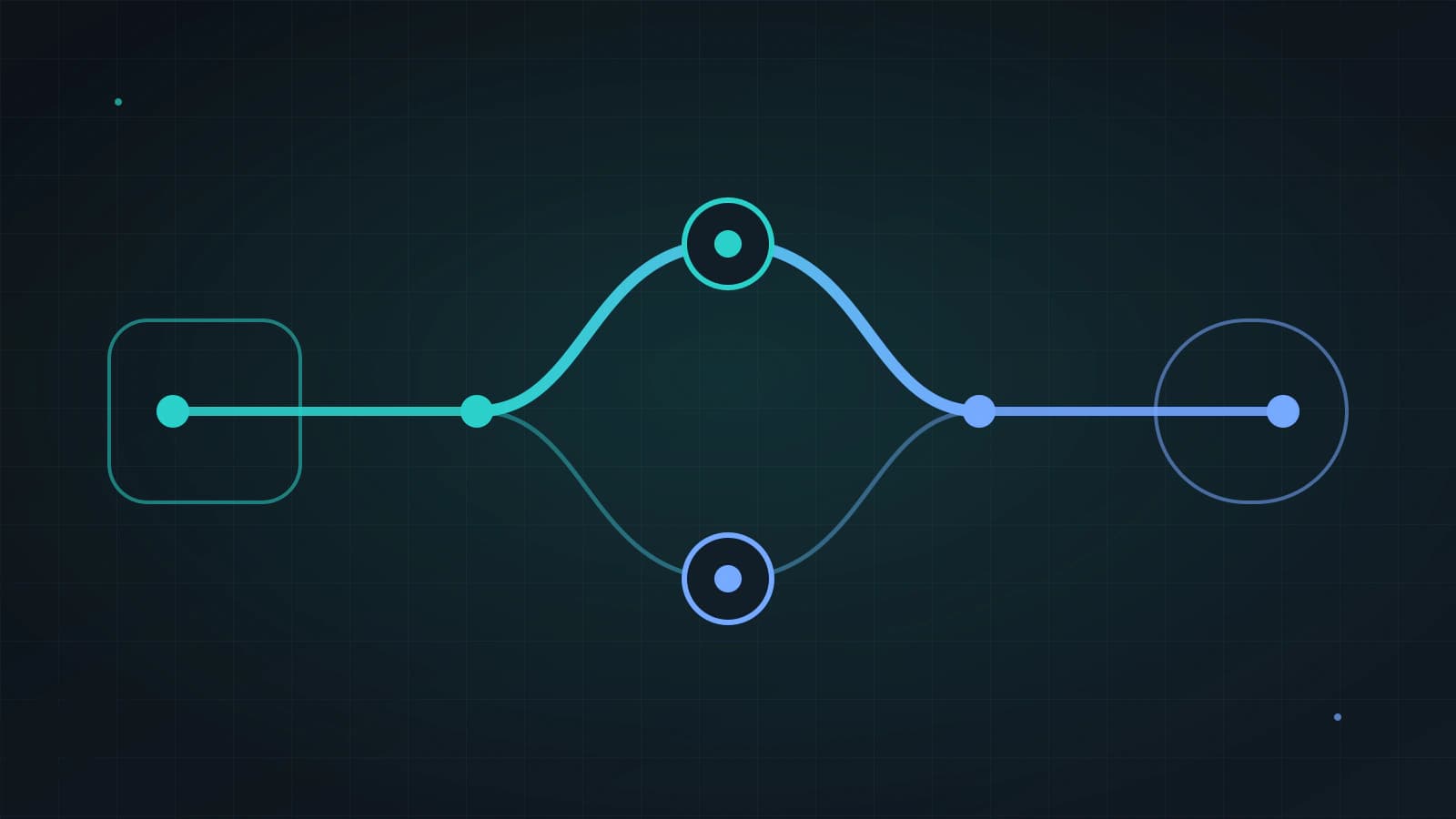
MCP connects agents to tools. A2A coordinates independent agents, including through stateful tasks. Learn where each belongs and what neither protocol solves.
Tag
Everything tagged "Agents": 11 pieces across articles and the journal.
Production Agents 2026
MCP connects agents to tools. A2A coordinates independent agents, including through stateful tasks. Learn where each belongs and what neither protocol solves.
Production Agents 2026
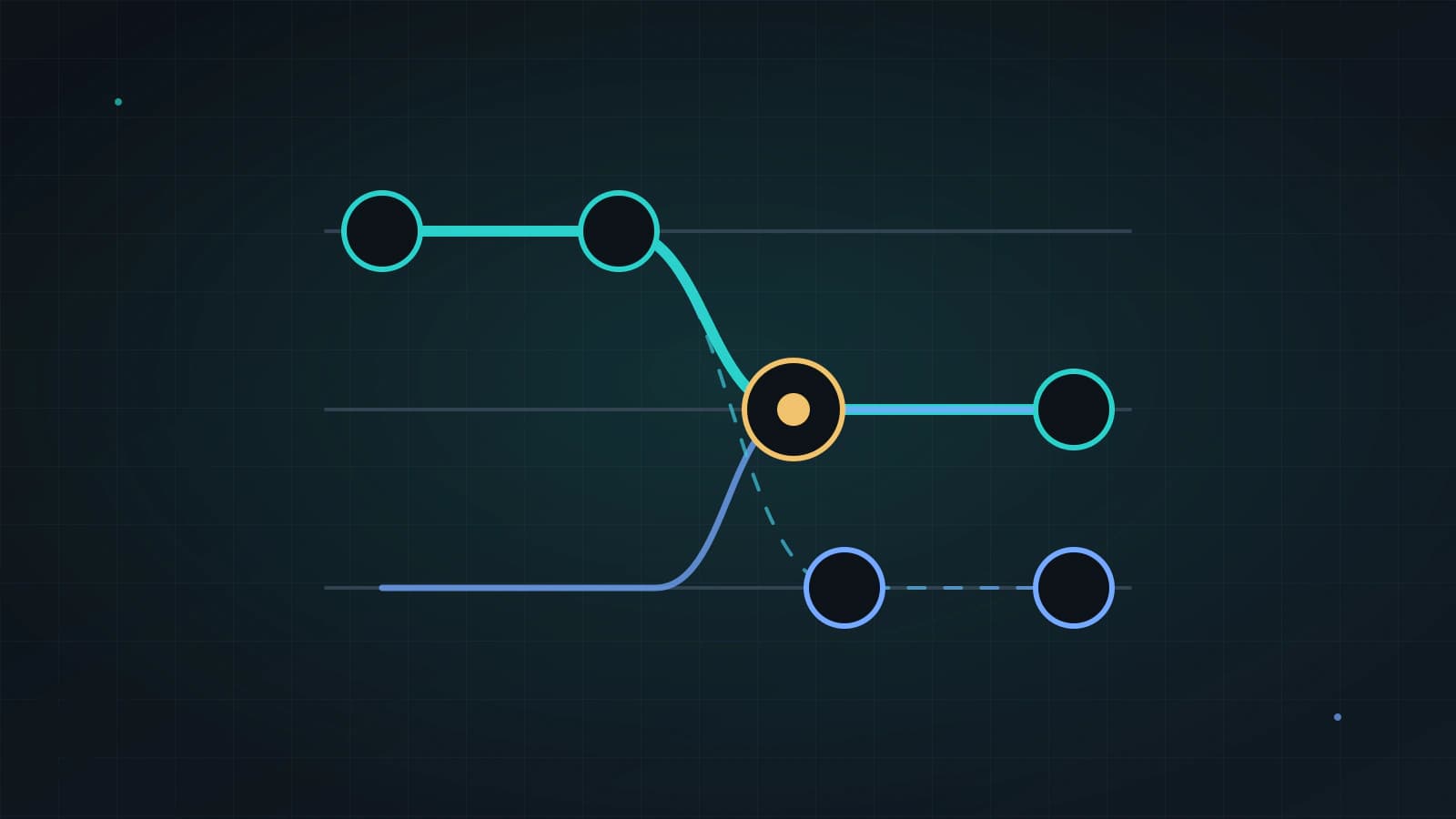
Build agent memory as governed state: control writes, preserve provenance, supersede stale beliefs, enforce deletion, and verify actions against evidence.
Production Agents 2026
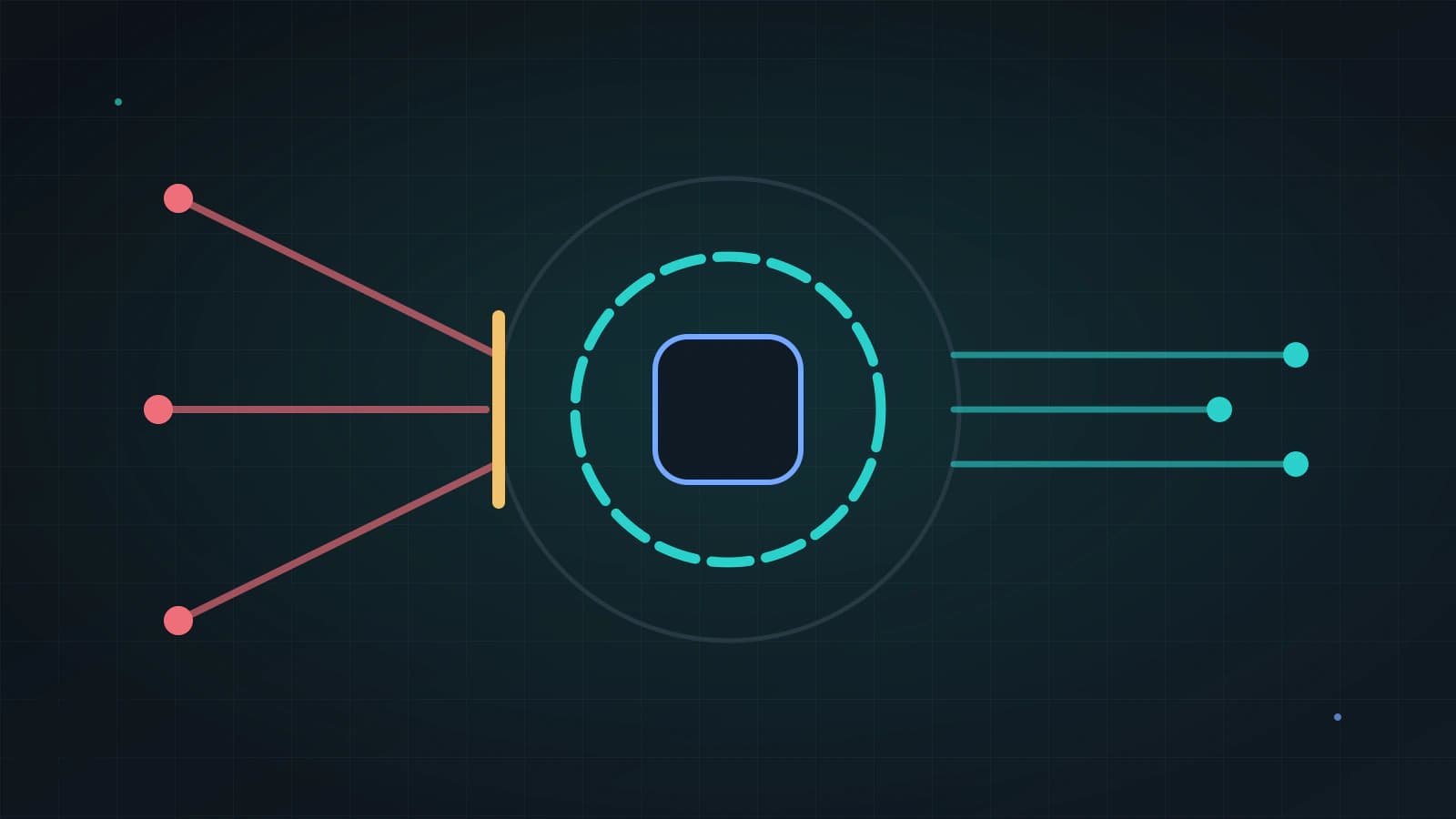
Treat prompt injection as a source-to-sink security problem. Contain the agent, limit authority, and gate consequential actions outside the model.
Production Agents 2026
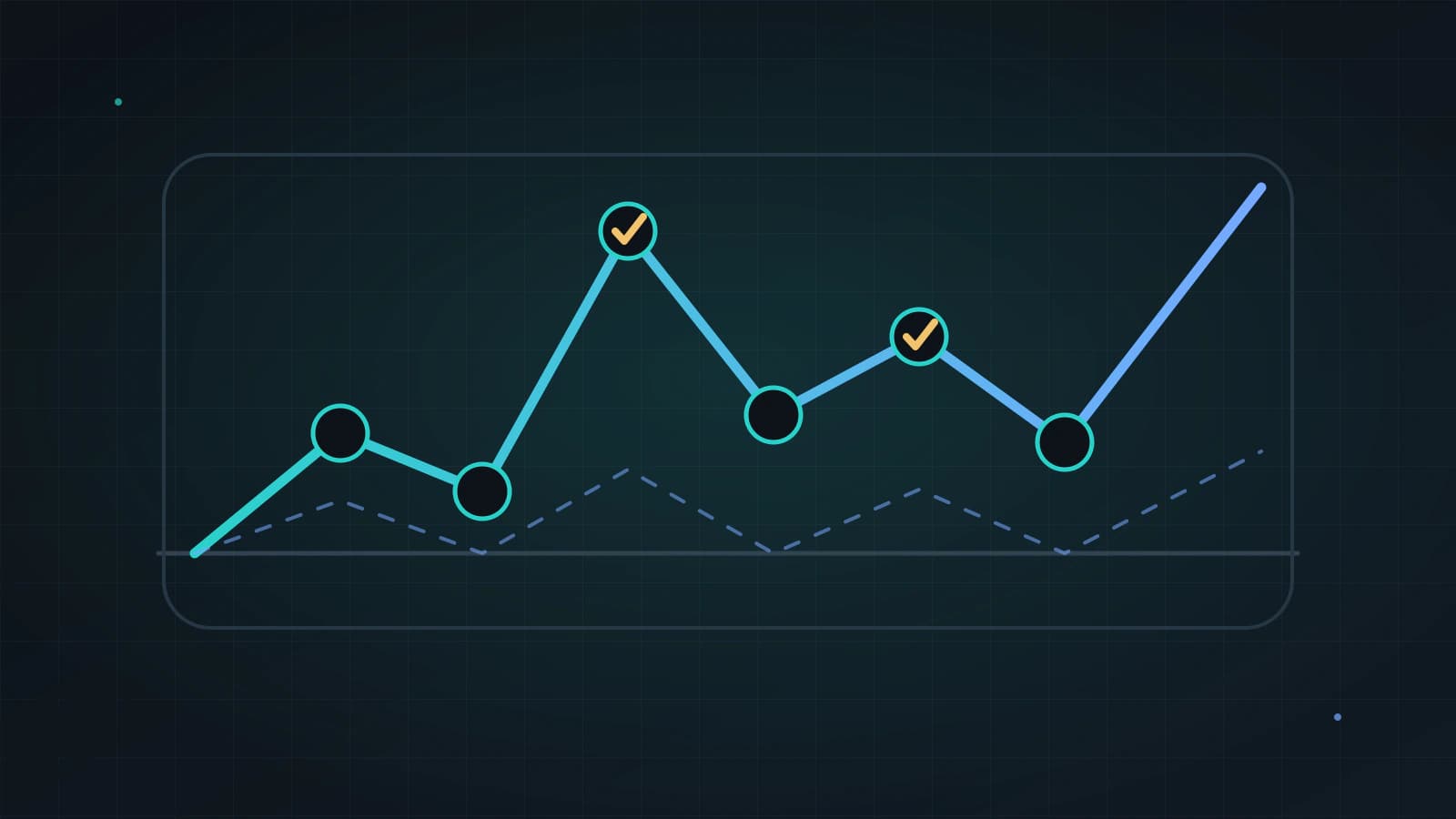
Evaluate the whole agent system: verify final state, inspect traces, control the environment, repeat trials, and turn real failures into regression tests.
Production Agents 2026
Task horizon, uninterrupted runtime, and parallel agent-hours are different clocks. Learn how to read agent autonomy research without overstating it.
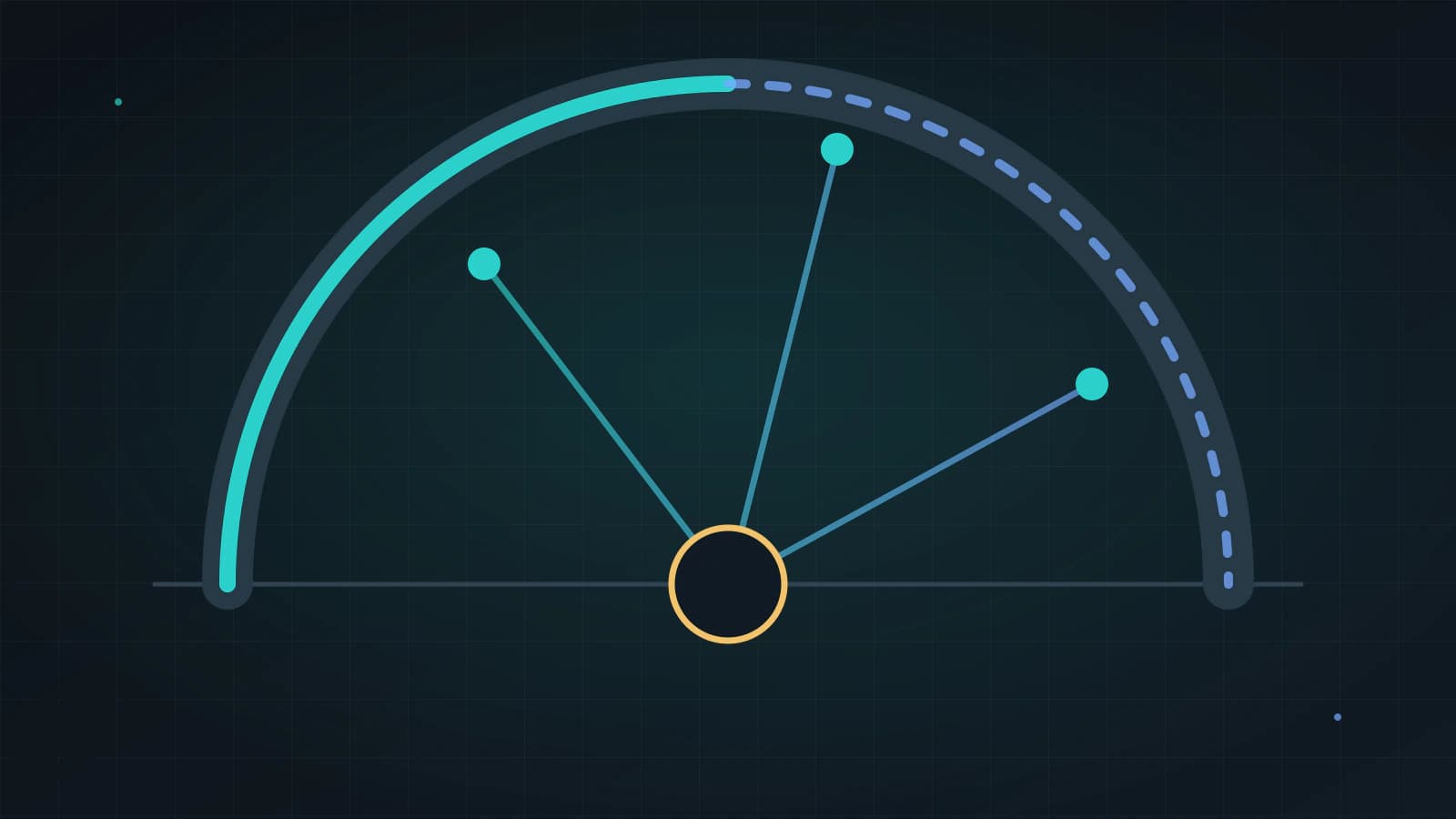
AI can build a component from a screenshot. It still can't tell you whether it matched. The fix is the same one that applies to every agentic loop: separate the measurement from the judgment.
Anthropic's new Claude Tag turns @Claude into a persistent, shared teammate inside Slack. Here's what it actually does, how it's governed, and why the form factor matters more than the feature list.
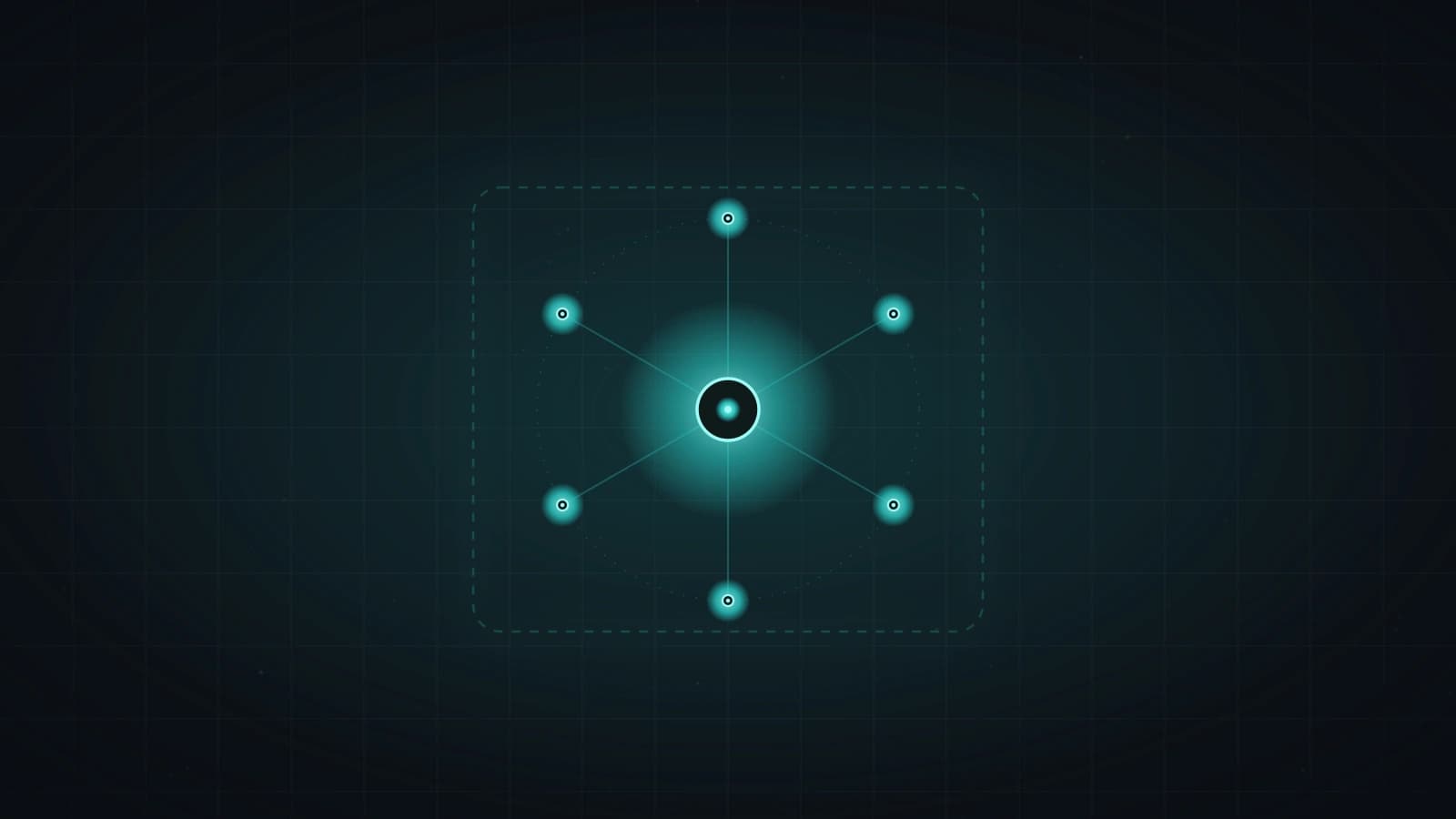
The unit of agentic work has moved from the prompt to the loop. A working definition, an anatomy of what a loop is made of, and the one principle that separates loops you can trust from agents that agree with themselves.

/loop runs a prompt or a slash command on a cadence inside your open Claude Code session, so you stop re-asking 'did it finish yet?' and let the machine do the polling. This is what it is, the three ways to run it, where it earns its keep, and the session-scoped limits that tell you when to reach for durable automation instead.

Running a coding agent unattended is tempting and mostly a trap. The thing that makes it safe isn't a better prompt. It's an external, deterministic gate the model cannot talk its way past. Here is the principle, a working pipeline that embodies it, and the failure modes that matter.

When an agent system misbehaves, the instinct is to add more instructions. Usually the real fix is structural: explicit states, hard guards, and small tools with narrow contracts. Reliability is an architecture decision, not a prompting one.